Introduction
Wireless earbuds have become one of the most commonly used personal technology accessories. Whether you’re commuting to work, attending virtual meetings, exercising, studying, or relaxing with your favorite music, a pair of compact Bluetooth earbuds can provide a convenient listening experience without the limitations of wired connections.
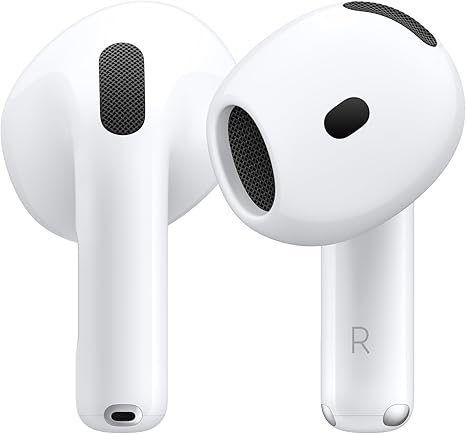
Among the many options available, the Apple AirPods 4 are designed for users who value simple setup, seamless integration with compatible Apple devices, and a range of features intended to enhance everyday listening. Equipped with Apple’s H2 chip, Personalized Spatial Audio, a USB-C charging case, Bluetooth connectivity, and up to 30 hours of total listening time with the charging case under manufacturer testing conditions, these earbuds are built for a variety of daily activities.
Rather than focusing on promotional language, it is more useful to understand how the AirPods 4 fit into real-world situations. Every listener has different priorities—some value long battery life, others prioritize call quality or comfort, while many simply want earbuds that are easy to use across multiple Apple devices.
This guide explores the AirPods 4 in detail, including their key features, everyday uses, who they may be suitable for, important considerations before choosing wireless earbuds, comparisons with other headphone categories, frequently asked questions, and practical tips for getting the most from them.
Understanding Wireless Bluetooth Earbuds
Wireless earbuds connect to compatible devices using Bluetooth technology rather than a physical cable.
This allows users to move freely while listening to:
- Music
- Podcasts
- Audiobooks
- Phone calls
- Video meetings
- Movies
- Educational content
Unlike wired headphones, true wireless earbuds are stored inside a charging case that both protects them and recharges their batteries between listening sessions.
Because of their compact size and portability, wireless earbuds have become popular for both home and travel use.
Key Features
Apple H2 Chip
At the center of the AirPods 4 is Apple’s H2 chip.
The H2 chip helps manage many of the earbuds’ core functions, including:
- Audio processing
- Wireless connectivity
- Device communication
- Battery efficiency
- Supported smart features
The overall listening experience depends on both the earbuds and the compatible device being used.
Personalized Spatial Audio
One of the distinctive features of AirPods 4 is Personalized Spatial Audio.
Spatial Audio is designed to create a more immersive listening experience by placing sound around the listener rather than appearing to come from only the left and right channels.
With compatible content and supported Apple devices, this can enhance experiences such as:
- Movies
- TV shows
- Music
- Video streaming
- Some supported applications
Because audio recordings differ, the experience may vary depending on the source material.
Bluetooth Wireless Connectivity
AirPods 4 connect wirelessly using Bluetooth.
Compatible devices may include:
- iPhone
- iPad
- Mac
- Apple TV
- Apple Watch
- Other Bluetooth-compatible devices with supported functionality
Bluetooth allows users to move without being connected by cables, making everyday activities more convenient.
USB-C Charging Case
The included charging case uses a USB-C connection.
USB-C has become increasingly common across many modern electronics, allowing users to charge compatible devices with fewer cable types.
The charging case serves two main purposes:
- Protecting the earbuds during storage
- Recharging the earbuds between listening sessions
Up to 30 Hours of Battery Life
According to manufacturer testing, the AirPods 4 can provide up to 30 hours of total listening time when used with the charging case.
Actual battery life depends on factors including:
- Listening volume
- Call usage
- Device settings
- Audio content
- Environmental conditions
- Battery age over time
For many users, the charging case allows multiple listening sessions before requiring its own recharge.
Sweat and Water Resistance
The AirPods 4 are designed with sweat and water resistance intended for everyday activities such as:
- Walking
- Commuting
- Light workouts
- Outdoor use in light conditions
Water resistance does not make the earbuds waterproof.
They should not be intentionally submerged in water or exposed to conditions beyond the manufacturer’s recommendations.
Effortless Setup
One of the advantages of Apple’s ecosystem is simplified device pairing.
Compatible iPhone users can typically complete setup quickly after opening the charging case near the device.
This integration is intended to reduce the time needed to begin using the earbuds.
How It Can Be Used
Everyday Music Listening
Many people use wireless earbuds throughout the day for music streaming.
AirPods 4 can be used with compatible streaming services, downloaded playlists, and local audio files.
Phone Calls
The integrated microphones allow the earbuds to be used for:
- Voice calls
- Video calls
- Voice messages
- Internet calling applications
Wireless operation makes it easier to move around during conversations.
Remote Work
Professionals working from home often use earbuds for:
- Video conferences
- Team meetings
- Online presentations
- Client calls
Their compact design can make them convenient for switching between meetings throughout the day.
Students
Students attending online courses or listening to recorded lectures may appreciate the portability of wireless earbuds.
They can be used for:
- Educational videos
- Language learning
- Research
- Virtual classrooms
- Study playlists
Commuting
During travel by:
- Bus
- Train
- Subway
- Walking
AirPods 4 provide a cable-free listening experience for entertainment and communication.
Users should always remain aware of their surroundings whenever safety requires attention.
Exercise
Sweat resistance makes the earbuds suitable for many light fitness activities such as:
- Walking
- Jogging
- Gym workouts
- Stretching
- Cycling on stationary equipment
Fit and stability during exercise may vary between individuals.
Watching Movies
Personalized Spatial Audio can enhance supported movie and television content by creating a more immersive listening environment on compatible devices.
Who It May Be Suitable For
Different users have different priorities.
AirPods 4 may be suitable for several groups.
iPhone Users
Because the earbuds integrate closely with Apple’s ecosystem, they are particularly suitable for people who regularly use compatible iPhone devices.
Students
Students who frequently move between classrooms, libraries, and study spaces may appreciate the portability and straightforward setup.
Remote Workers
Professionals who spend time in virtual meetings may benefit from wireless convenience and integrated microphones.
Frequent Travelers
Compact earbuds and a portable charging case make them easy to carry during travel.
Casual Listeners
People looking for a simple wireless listening experience may appreciate features such as automatic setup and USB-C charging.
Important Things to Consider
Before choosing wireless earbuds, it helps to consider several practical factors.
Device Compatibility
Although AirPods support Bluetooth connections with various compatible devices, some features are designed specifically for supported Apple products.
Users should verify which functions are available with their devices.
Battery Management
Unlike wired headphones, wireless earbuds require periodic charging.
Remember to recharge both:
- The earbuds
- The charging case
to maintain availability throughout the day.
Comfort
Ear shape varies significantly between individuals.
Comfort and fit may differ from person to person, particularly during extended listening sessions.
Water Resistance
Sweat and water resistance helps protect against everyday exposure but should not be interpreted as full waterproof protection.
Listening Habits
Consider how you plan to use your earbuds.
People focused on:
- Long travel
- Remote work
- Exercise
- Entertainment
- Phone calls
may prioritize different features when choosing wireless earbuds.
Comparing General Audio Categories
Rather than comparing individual brands, it is useful to compare general headphone categories.
| Feature | Wireless Earbuds | Over-Ear Wireless Headphones | Wired Earbuds |
|---|---|---|---|
| Wireless Listening | Yes | Yes | No |
| Compact Size | Excellent | Moderate | Excellent |
| Separate Charging Required | Yes | Yes | No |
| Easy Portability | Excellent | Good | Excellent |
| Cable-Free Movement | Yes | Yes | No |
Each category offers different advantages depending on listening habits and personal preferences.
Tips for Everyday Use
To help keep your AirPods 4 in good condition:
- Store them in the charging case when not in use.
- Keep the charging contacts clean.
- Charge the case regularly.
- Avoid exposing the earbuds to excessive heat.
- Wipe away moisture after exercise before storing them.
- Update compatible Apple devices to access the latest supported features.
Frequently Asked Questions
Do the AirPods 4 require charging?
Yes. Both the earbuds and the charging case require periodic charging. The case is designed to recharge the earbuds between listening sessions.
Can they be used for phone calls?
Yes. The built-in microphones support voice calls and compatible video conferencing applications.
What is Personalized Spatial Audio?
Personalized Spatial Audio is designed to create a more immersive listening experience with supported content on compatible Apple devices by presenting sound in a way that feels more spatially distributed.
Are they suitable for workouts?
The AirPods 4 are designed with sweat and water resistance for everyday activities and many light workouts. Users should follow the manufacturer’s guidance regarding water exposure.
Can they connect to devices other than an iPhone?
They support Bluetooth connectivity with compatible devices, although some advanced features may be available only within Apple’s ecosystem.
How long does the battery last?
Under manufacturer testing conditions, the earbuds provide up to 30 hours of total listening time when used with the charging case. Actual performance varies depending on usage and settings.
Is USB-C charging beneficial?
USB-C has become a widely adopted charging standard, allowing many users to reduce the number of different charging cables needed for compatible devices.
Conclusion
The Apple AirPods 4 combine wireless Bluetooth connectivity, Apple’s H2 chip, Personalized Spatial Audio, a USB-C charging case, sweat and water resistance, and up to 30 hours of total battery life with the charging case under manufacturer testing conditions. These features are intended to support a wide range of everyday activities, including music listening, phone calls, remote work, online learning, commuting, and light exercise.
Rather than focusing on a single use case, the AirPods 4 are designed to fit into daily routines through straightforward setup on compatible Apple devices, portable charging, and seamless wireless listening. Their compact design and integration with the Apple ecosystem make them particularly appealing for users who already rely on compatible Apple products.
As with any audio accessory, the right choice depends on your listening preferences, device compatibility, comfort needs, and daily habits. Evaluating how features such as battery life, Bluetooth connectivity, water resistance, and Spatial Audio align with your routine can help determine whether the Apple AirPods 4 are a suitable option for your needs.